How to Source Pet Products Wholesale: A Small Shop's Guide (2026)
7 min read
How to Source Pet Products Wholesale: A Small Shop's Guide
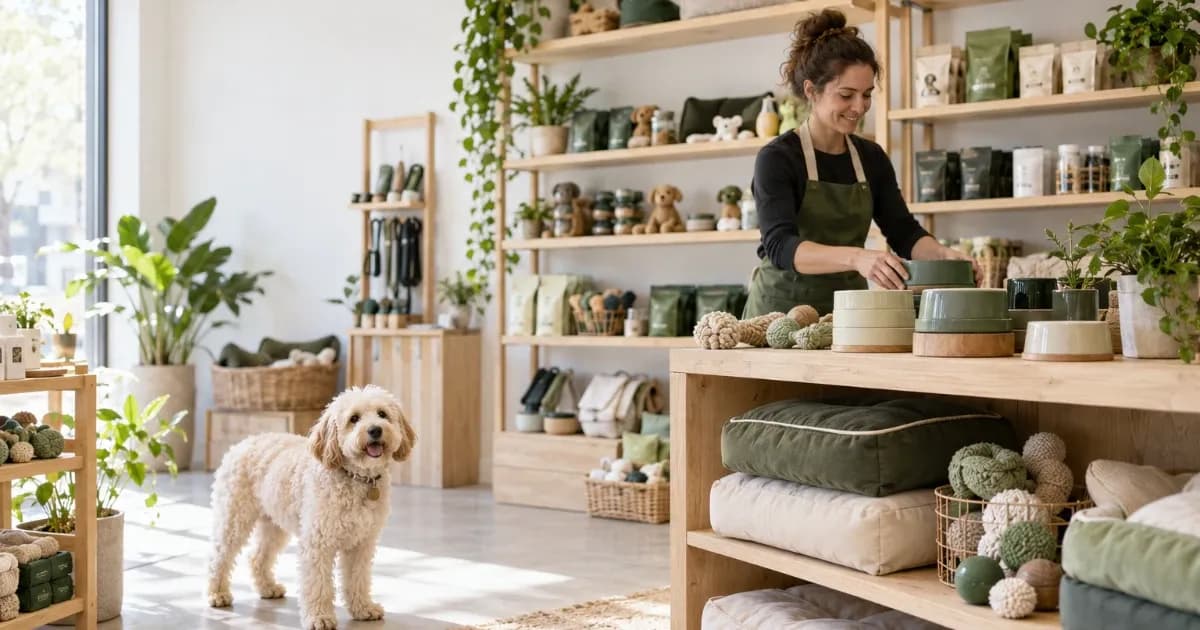
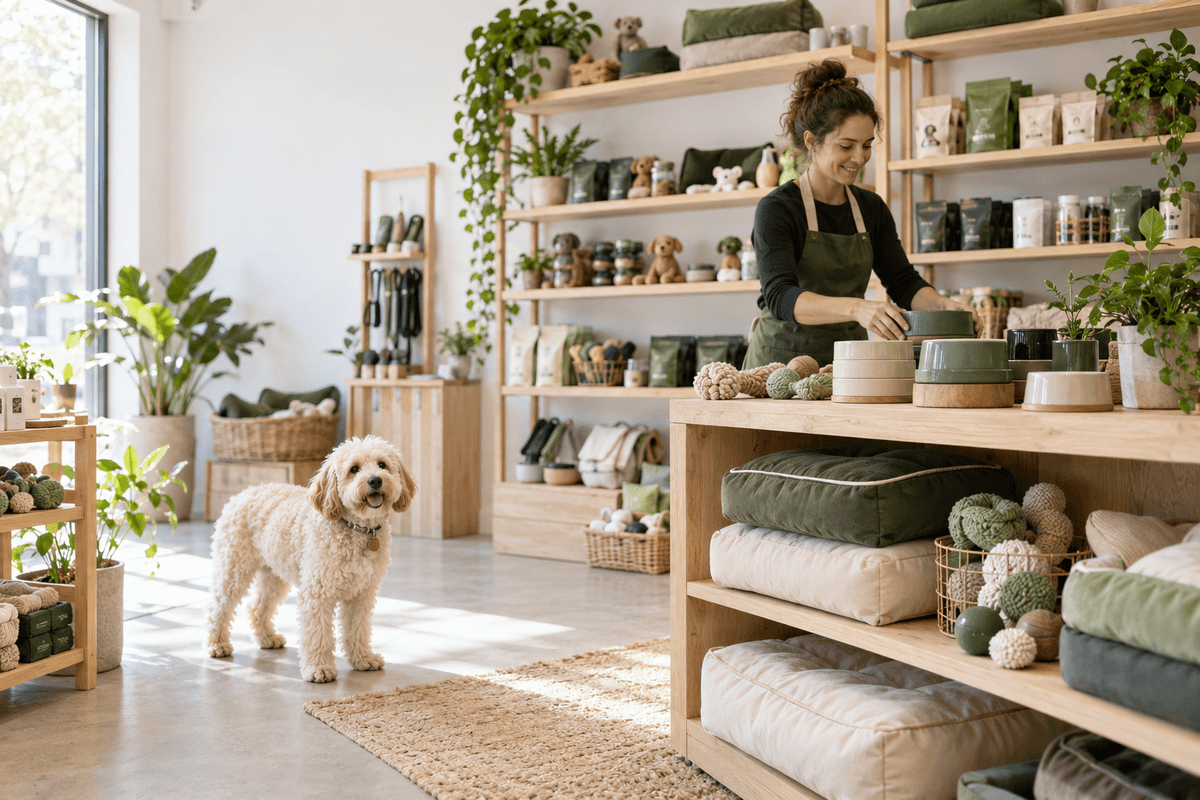
Most advice on sourcing pet products wholesale is written for people who want to dropship from overseas or buy a pallet of generic chews from a factory. If you run an actual shop , a storefront, a grooming salon with a retail corner, a small online store with a point of view , that advice doesn't fit. You don't need 5,000 units of anything. You need a dozen SKUs that sell, from suppliers who ship on time and won't embarrass you at the register.
This guide is for that shop. Here's how sourcing actually works, where to buy, and how to avoid the two mistakes that cost small retailers the most money.
The four ways to source (and who each one fits)
1. Wholesale marketplaces
Online platforms where you browse brands, see wholesale prices, and order , think Faire, Ankorstore, or pet-specific platforms like PETADD. This is where most independent shops start now, because the minimums are low and you can test a brand with a small first order.
Fits: Nearly every independent shop. Best starting point. Watch for: On generalist platforms, pet is buried among 100,000 brands and vetting is light , a brand having a page tells you little about whether it delivers.
2. Direct from the brand
You email the brand, set up a wholesale account, and buy from them directly. Best margins, and you build a real relationship.
Fits: Your two or three anchor brands , the ones you know will sell. Watch for: It doesn't scale. Managing 20 direct relationships means 20 invoices, 20 minimums, 20 shipping schedules. Fine for a few, unworkable as your whole strategy.
3. Distributors
Regional wholesalers who carry many brands and sell case packs. The traditional pet-trade route.
Fits: Staples you reorder constantly , litter, mainstream food, basics. Watch for: High minimums, rigid case packs, and you'll stock the same products as every other shop nearby. Hard to stand out.
4. Overseas manufacturing (Alibaba, etc.)
Direct from a factory, usually in bulk, often for private label.
Fits: Private-label projects or high-volume staples once you know exactly what sells. Watch for: Large minimums, long lead times, customs, and no vetting , you get whatever the factory ships. Not a starting point for a small shop.
How minimums actually work
"MOQ" (minimum order quantity) scares new buyers more than it should. Two things to know:
Minimums are often negotiable, especially for a first order. A brand wants new stockists. Many will take a smaller trial order to get on your shelf, even if their listed MOQ is higher. Ask.
Per-supplier minimums beat flat platform minimums. Some marketplaces impose one minimum across the board; others let each supplier set their own. The second kind lets you start smaller, because you can find a supplier willing to take a modest first order.
If you're just testing whether a brand sells in your store, you want the lowest possible first commitment. Don't let a scary-looking MOQ stop you before you've asked.
How payment terms work
Three common structures:
Upfront , you pay when you order. Normal for a brand-new wholesale relationship.
On dispatch , you pay when it ships.
Net terms (Net 30 / Net 60) , you receive the goods and pay 30 or 60 days later. This is the one that helps cash flow, because you can sell the product before the invoice is due.
New accounts usually start with upfront payment and earn net terms over time as trust builds. On marketplaces, terms are often set by each supplier, so they vary from one brand to the next , check before you order, not after.
Vetting a supplier before you commit
This is where small shops lose money. Two mistakes do most of the damage:
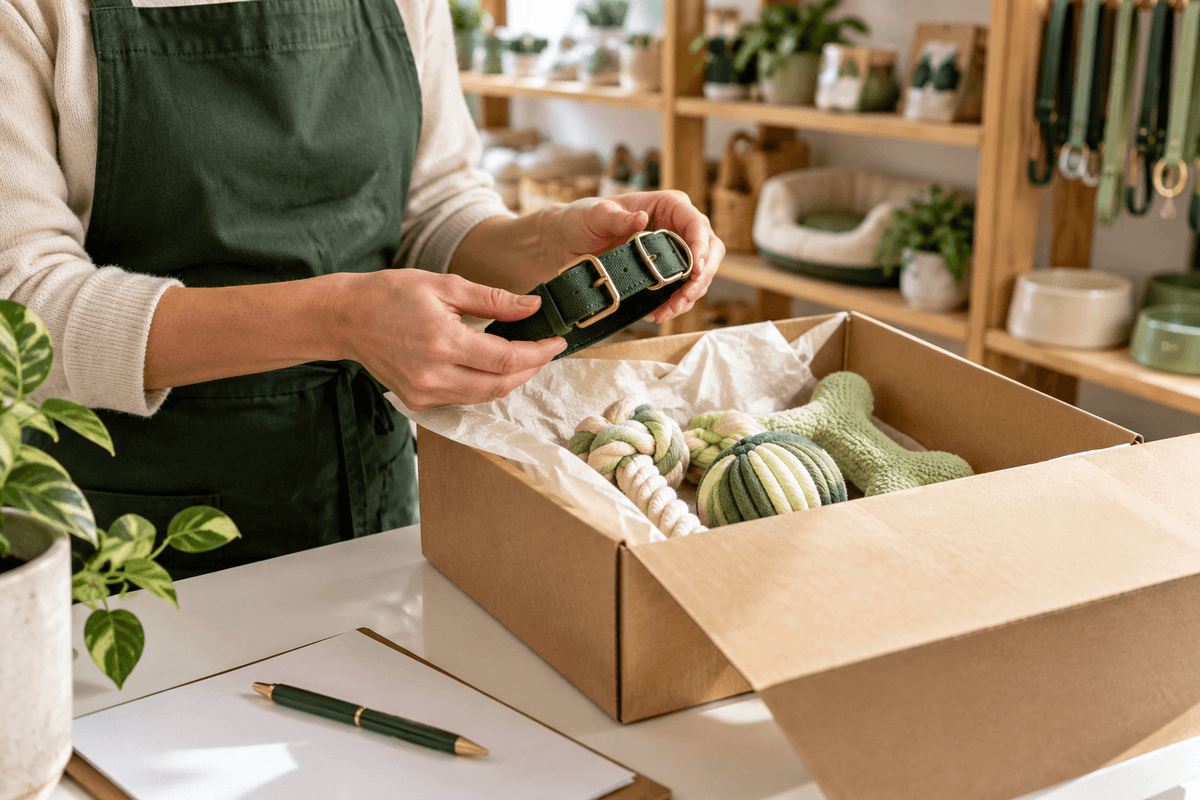
Mistake 1: Ordering from a brand that can't actually fulfill. A nice page and good photos don't mean the brand has stock, documentation, or a reliable shipping process. Before a first order, confirm: Do they have real inventory? Can they tell you lead time? Is there product documentation (ingredients, safety, country of origin)?
Mistake 2: Not knowing where a product is made. Country of origin matters for your customers (a lot of pet shoppers care) and for your compliance (food and treats have labeling rules). Don't rely on a self-declared field , confirm it.
A quick pre-order checklist:
Confirmed the brand has stock right now
Know the lead time
Know the real first-order minimum (asked, didn't assume)
Know the payment terms
Verified country of origin
Seen product documentation (especially for food, treats, supplements)
Checked the return / damaged-goods policy
If a supplier can't answer these, that's your answer.
Where vetting is done for you
The checklist above is work , and on most platforms, it's work you do yourself for every brand. Some pet-specific marketplaces do it before the brand is even listed. On PETADD, for example, every brand passes a human review before it gets a page: country of origin is confirmed (not self-declared), registration and product documents are checked, and a brand with no real assortment doesn't get listed at all. That's why the catalog is deliberately short , the filtering happens before you ever see it, so the brands you're choosing between have already cleared the checklist.
That doesn't replace your own judgment about what sells in your shop. But it removes the part of sourcing that's pure risk , ordering from a brand that turns out not to deliver.
A simple starting plan for a new shop
Pick one marketplace to browse and test brands with low first orders.
Go direct for the one or two brands you already know you want.
Use a distributor only for staples you reorder constantly.
Test small, reorder what sells. Don't commit to a big order of anything unproven.
Earn net terms over time to ease cash flow.
Sourcing isn't about finding the single best supplier. It's about building a small mix , a marketplace for discovery, a couple of direct relationships, a distributor for basics , and letting your sales data tell you what to double down on.
FAQ
Can I buy pet products wholesale with no minimum order? Some suppliers will, especially for a first/trial order. Platforms that set minimums per-supplier (rather than one flat platform minimum) make it easiest to find a low or no-minimum first order.
Do I need a business license to buy wholesale? Usually yes , most wholesale suppliers and marketplaces require proof you're a real business (business registration, and in many regions a resale/VAT number). This is normal and protects wholesale pricing.
How much should I spend on my first wholesale order? Enough to test, not enough to hurt. Start with a small order of each brand, see what sells in 4–6 weeks, then reorder the winners. Don't over-commit to anything unproven.
Is it cheaper to buy direct from the brand or through a marketplace? Direct is usually cheaper per unit but costs you time (discovery, setup, invoicing). Marketplaces cost a little more but save that time and let you test many brands fast. Most shops use both.
Ready to test a few brands? Browse hand-vetted pet brands on PETADD →
Source from vetted pet brands
Create a free account to browse wholesale catalogues and order directly from suppliers.
Create an account